




Designing energy solutions for large-scale projects is a complex, high-stakes process. Whether the project involves industrial plants, commercial developments, data centers, infrastructure projects, or mixed-use facilities, energy decisions made during the design phase directly impact operational reliability, compliance, scalability, and long-term costs.
Modern large projects demand more than just meeting today’s power needs. They require future-ready energy planning—solutions that can adapt to growth, evolving regulations, and advancing technologies without major redesigns or disruptions.
This article explores the key factors to consider when designing energy solutions for large projects, with a focus on load analysis, scalability, regulatory compliance, and long-term resilience.
Understanding the Complexity of Large-Scale Energy Design
Large projects differ significantly from small or medium installations. They involve multiple load types, diverse operating schedules, critical systems, and often phased development plans. Energy design must balance technical accuracy, financial feasibility, safety, and sustainability.
A successful energy solution is not just technically sound, it aligns with the project’s operational goals and future expansion plans from day one.
Load Analysis: The Foundation of Energy System Design
Accurate load analysis is the cornerstone of any effective energy solution. Without a clear understanding of present and future demand, systems risk being either underdesigned leading to failures or overdesigned resulting in unnecessary capital costs.
Assessing Current and Future Loads
Load analysis should include:
- Connected load vs. actual demand
- Peak and average consumption
- Diversity and demand factors
- Seasonal and operational variations
For large projects, it is critical to consider future load growth, not just initial occupancy or production levels. Expansion phases, additional equipment, and increased automation must be factored into the design.
Critical vs. Non-Critical Loads
Separating critical loads from non-essential systems allows for:
- Optimized backup power design
- Improved reliability
- Smarter energy prioritization during outages
This classification supports resilience and cost-effective redundancy planning.
Scalability: Designing for Growth Without Disruption
Large projects rarely remain static. Facilities expand, technologies evolve, and energy demand increases over time. Scalability ensures that the energy system can grow without requiring major redesigns or extended downtime.
Modular System Architecture
Scalable energy solutions often use:
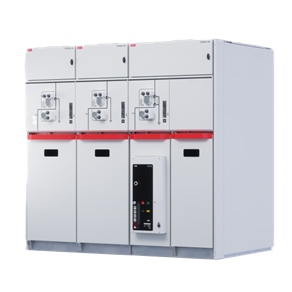
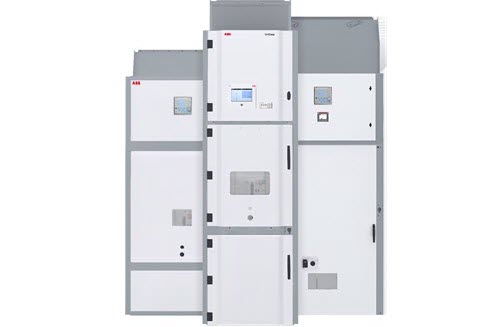
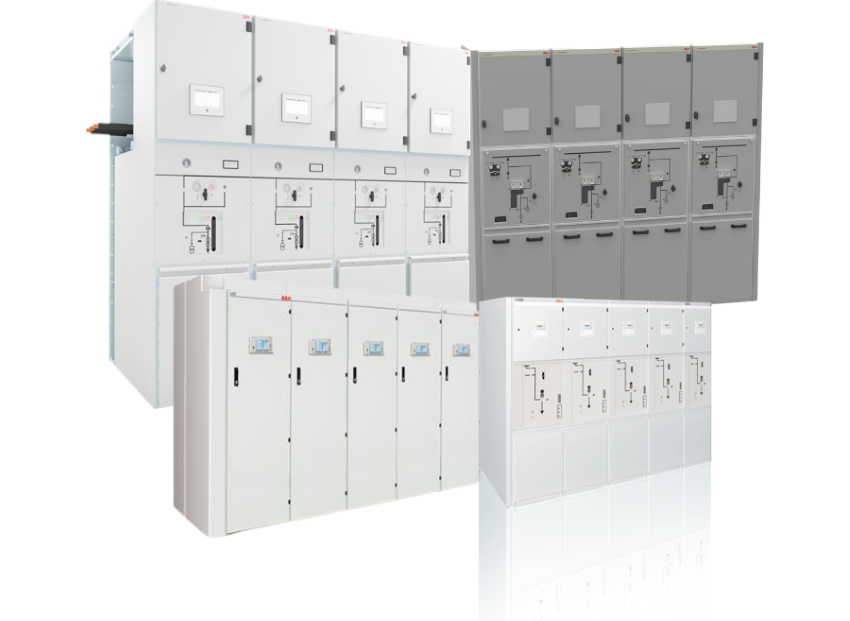
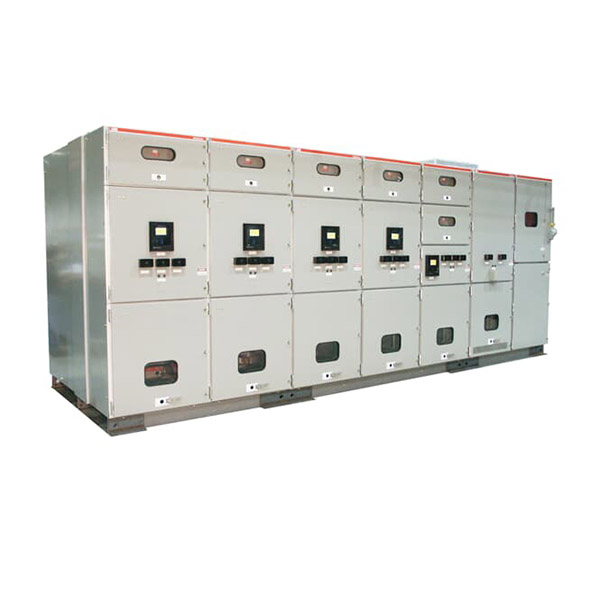
- Modular switchgear and distribution systems
- Expandable transformer capacity
- Flexible cabling and busbar layouts
This approach allows capacity to be added incrementally as the project grows.
Space and Infrastructure Planning
Future scalability depends not only on electrical capacity but also on:
- Reserved physical space
- Structural provisions
- Cooling and ventilation allowances
Ignoring these aspects during initial design can severely limit future upgrades.
Compliance and Regulatory Considerations
Energy systems for large projects must comply with local regulations, international standards, and utility requirements. Compliance is not optional, it directly affects approvals, safety, and project timelines.
Electrical and Safety Standards
Designs must adhere to applicable electrical codes, safety standards, and fire regulations. These standards govern:
- Equipment ratings
- Protection schemes
- Grounding and earthing systems
- Arc-flash mitigation
Early integration of compliance requirements avoids costly redesigns during later project stages.
Energy Efficiency and Environmental Regulations
Many regions now enforce minimum energy performance standards. Energy solutions must address:
- Efficiency benchmarks
- Emissions reduction targets
- Power quality requirements
Compliance-focused design also strengthens the project’s sustainability credentials and future-proofs it against stricter regulations.
Reliability and Redundancy Planning
For large projects, power interruptions can lead to significant financial losses, safety risks, and reputational damage. Reliability must be built into the energy solution from the beginning.
Redundancy Strategies
Common approaches include:
- Dual power sources
- Redundant transformers and feeders
- Automatic transfer systems
- Segmented distribution networks
- The level of redundancy should align with the criticality of operations rather than applying a one-size-fits-all approach.
Future-Ready Energy Planning
Common approaches include:
- Dual power sources
- Redundant transformers and feeders
- Automatic transfer systems
- Segmented distribution networks
- The level of redundancy should align with the criticality of operations rather than applying a one-size-fits-all approach.
Integration of Renewable Energy
Modern energy designs often consider:
- Solar or other renewable sources
- Hybrid grid and on-site generation
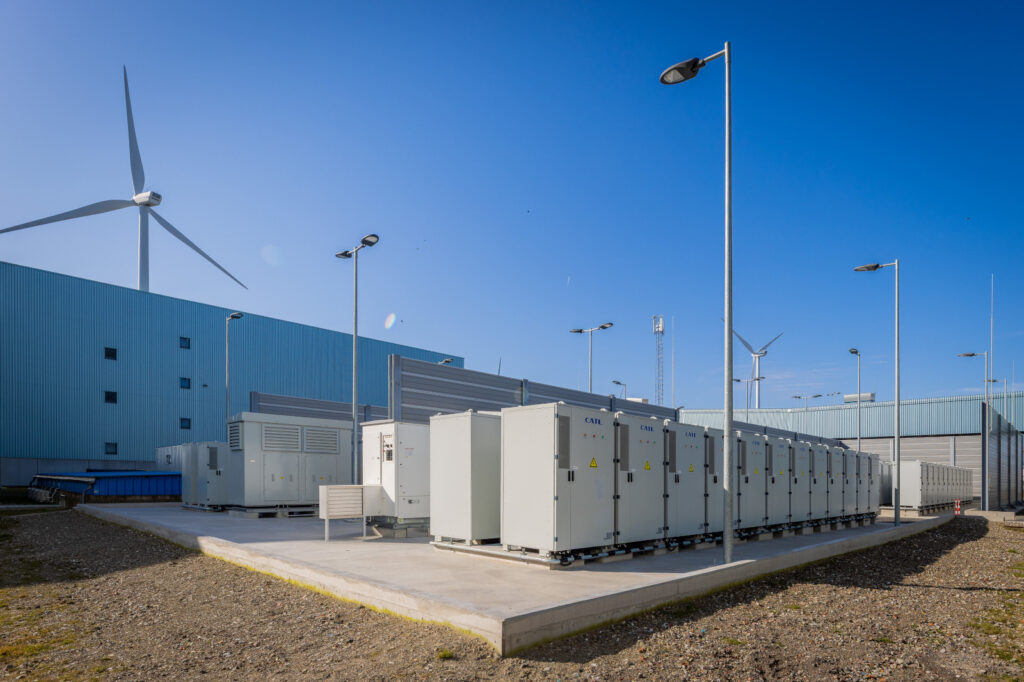
- Energy storage readiness
Even if renewables are not installed immediately, the infrastructure should support future integration.
Smart Monitoring and Digitalization
Digital energy management systems enable:
- Real-time performance tracking
- Predictive maintenance
- Data-driven optimization
These capabilities enhance efficiency while reducing operational risk over the system’s lifecycle.
Cost Optimization Across the Project Lifecycle
Energy design decisions influence costs far beyond initial installation. A well-designed system balances capital expenditure with operational efficiency.
Key cost considerations include:
- Equipment lifecycle and maintenance
- Energy losses and efficiency
- Downtime risk and mitigation
- Upgrade and expansion costs
Designing for total lifecycle value ensures better financial outcomes over the long term.
Collaboration Between Stakeholders
Successful energy solutions emerge from close collaboration between:
- Engineers and consultants
- Project owners and operators
- Utility providers
- Regulatory authorities
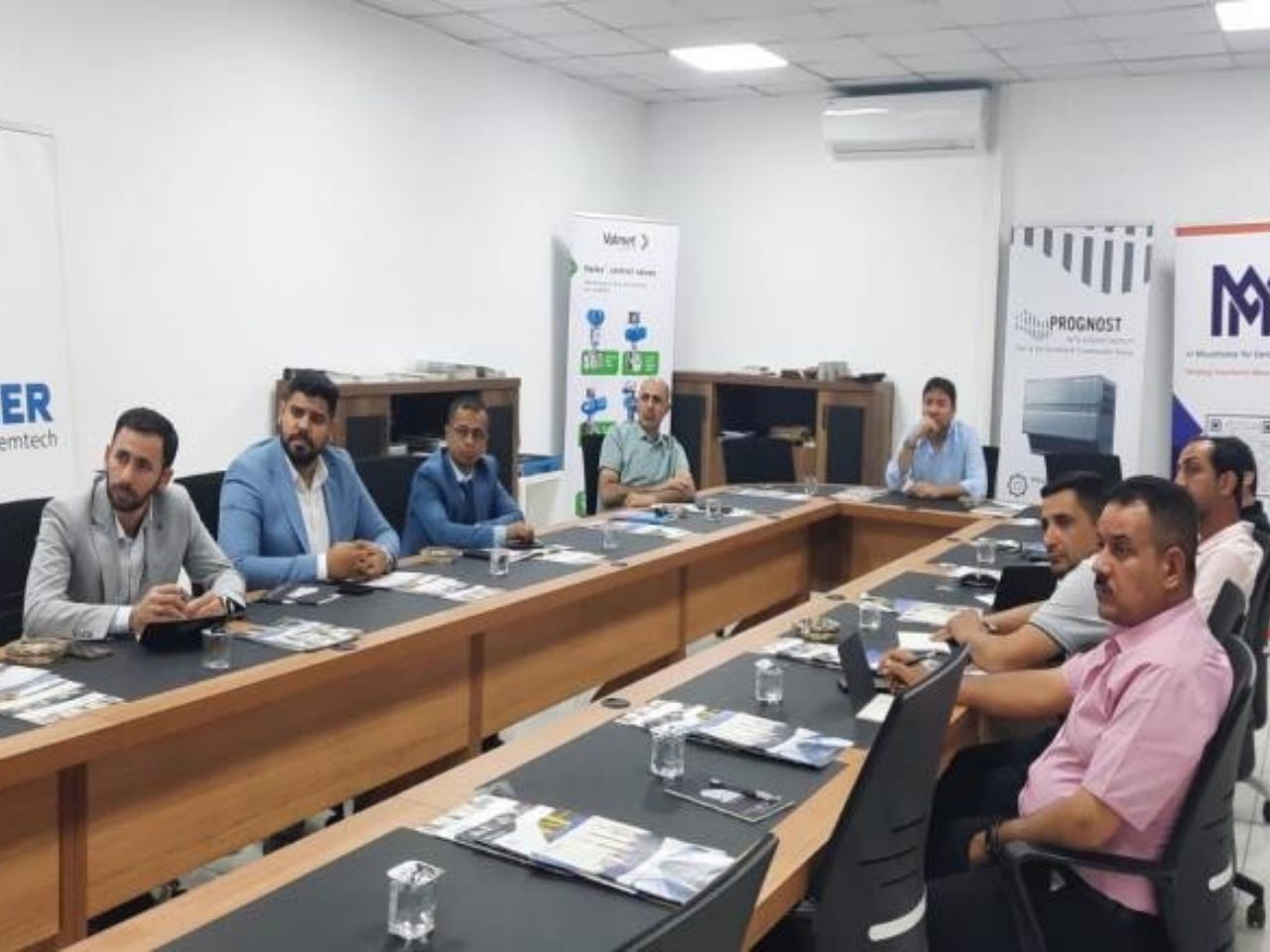
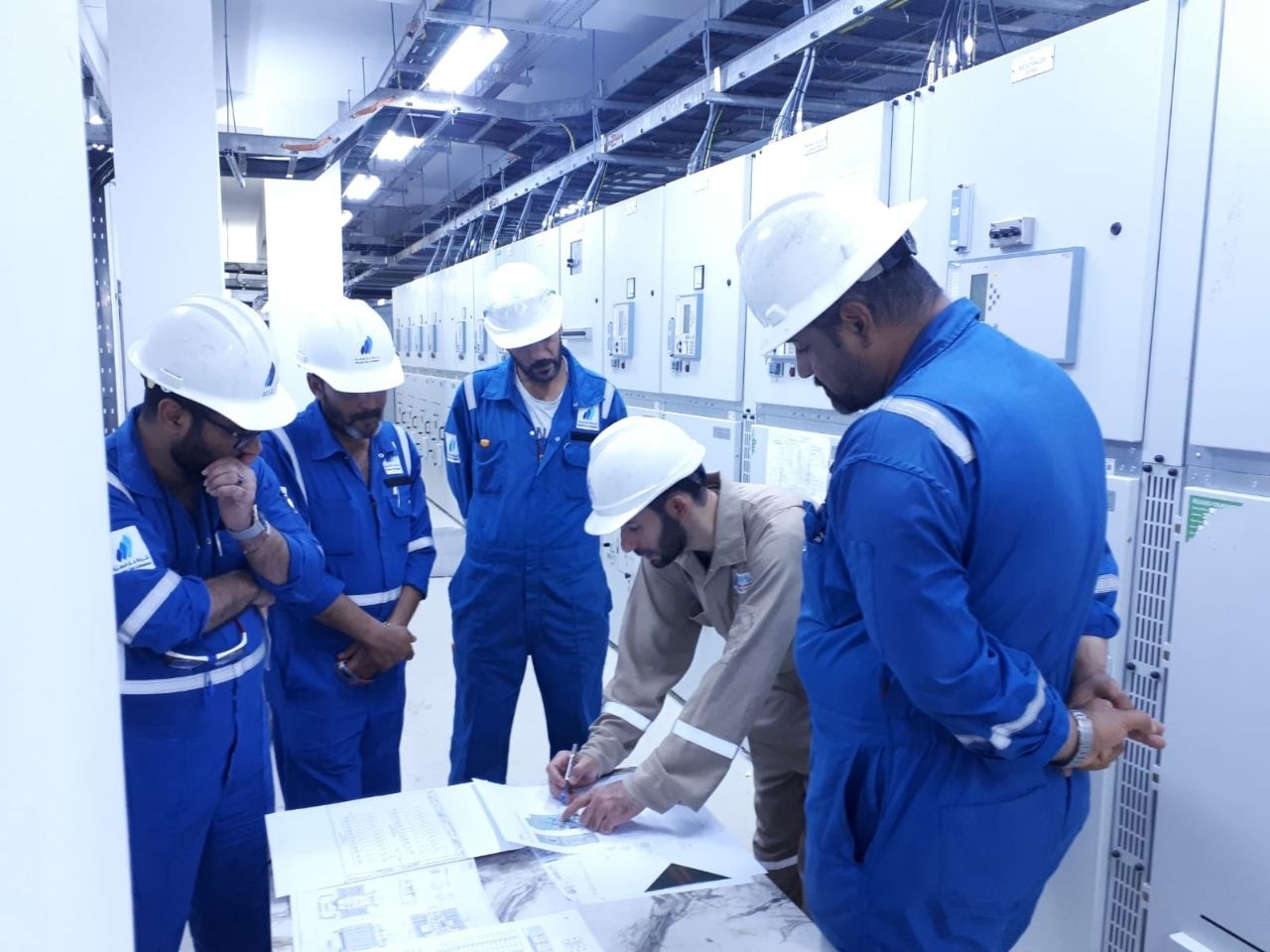
Early coordination ensures that technical designs align with operational needs, regulatory expectations, and project timelines.
Final Thoughts
Designing energy solutions for large projects requires a strategic, forward-thinking approach. By focusing on accurate load analysis, scalable design, regulatory compliance, and future-ready planning, project stakeholders can build energy systems that deliver reliability, efficiency, and long-term value.
An energy solution designed with the future in mind is not just an infrastructure component—it is a foundation for sustainable growth and operational resilience.